almir mavignier
  • almir mavignier
    • vita
    • engenho de dentro
      • portugês (orig.)
        • 2 arte e cultura nos anos 1940
        • 3 almir mavignier e o ateliê de pintura de engenho de dentro
        • 5 almir mavignier: um mestre-aprendiz
        • nos bastidores da pesquisa
      • english
        • 2 arts and culture in the 1940s
        • 3 almir mavignier and the painting studio at engenho de dentro
        • 5 almir mavignier: master apprentice
        • research behind the scenes
    • hfg ulm
    • studio f
    • neue tendenzen
    • l'ultima avanguardia
    • zero
  • ouevre
    • malerei
    • plakate
    • serigrafien
    • restaurierungen
    • permutationen
    • skulpturen
    • philipp otto runge
  • exhibitions
    • barlach-haus
    • Bröhan Museum 2025
    • museo afro brasil 2010
    • dan galeria 2008
    • ​museum für angewandte kunst frankfurt 2004
    • museum für konkrete kunst ​ingolstadt 2003
    • ​ulm stadthaus 1995
    • münchen 1990
  • projects
    • 2025 - music composition permutationen 1961
    • 2025/26 centenary edition 100
    • 2018 - music composition helix
  • almir mavignier
    • vita
    • engenho de dentro
      • portugês (orig.)
        • 2 arte e cultura nos anos 1940
        • 3 almir mavignier e o ateliê de pintura de engenho de dentro
        • 5 almir mavignier: um mestre-aprendiz
        • nos bastidores da pesquisa
      • english
        • 2 arts and culture in the 1940s
        • 3 almir mavignier and the painting studio at engenho de dentro
        • 5 almir mavignier: master apprentice
        • research behind the scenes
    • hfg ulm
    • studio f
    • neue tendenzen
    • l'ultima avanguardia
    • zero
  • ouevre
    • malerei
    • plakate
    • serigrafien
    • restaurierungen
    • permutationen
    • skulpturen
    • philipp otto runge
  • exhibitions
    • barlach-haus
    • Bröhan Museum 2025
    • museo afro brasil 2010
    • dan galeria 2008
    • ​museum für angewandte kunst frankfurt 2004
    • museum für konkrete kunst ​ingolstadt 2003
    • ​ulm stadthaus 1995
    • münchen 1990
  • projects
    • 2025 - music composition permutationen 1961
    • 2025/26 centenary edition 100
    • 2018 - music composition helix
[email protected]

​HELIX Paintings
100x100cm, oil on canvas

Hector Docx: Piano
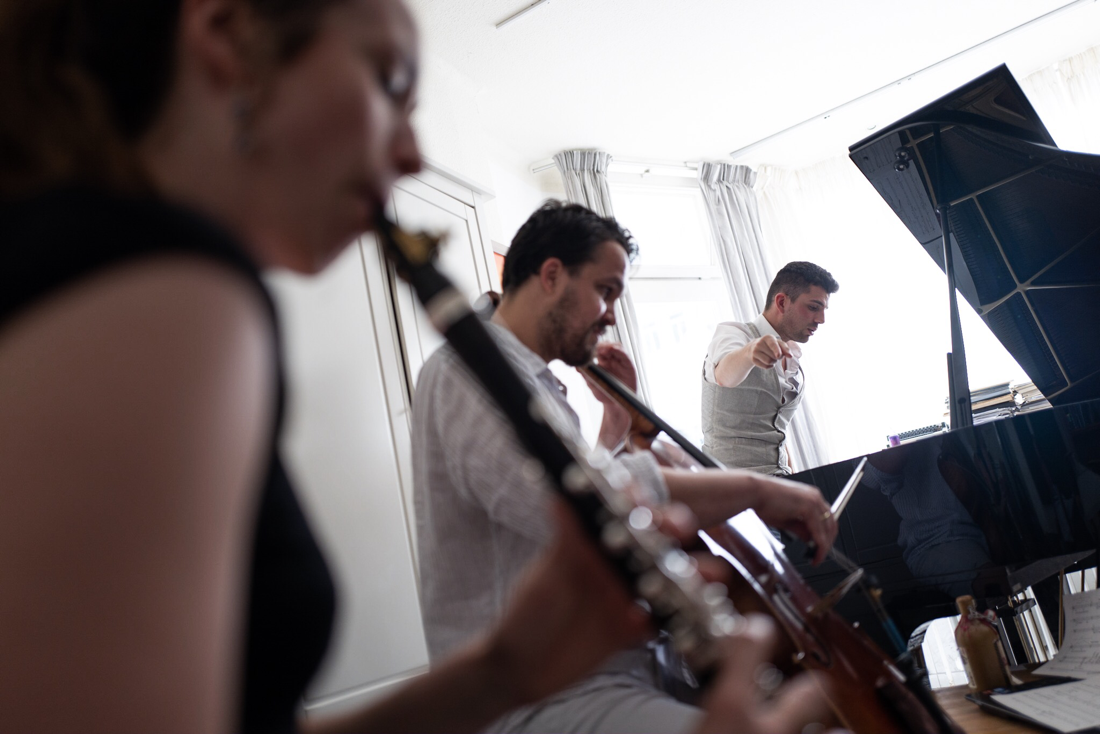
Tristan Xavier Köster: Violoncello
Roman Gerber: Clarinet
​
The composition begins with musical gestures without sounds.
Only gradually does music begin to emerge and the piece arrives at the fully played music.
The composition is not an emotional interpretation of the paintings. Instead, the composer transcribed colors, surfaces, textures according to his perception into music - which we have visually referenced in this edit. 
At key moments I have contributed with ideas and suggestions that always were considered

Camera & Sound Recording/Mix: Lémuel Grave, cinematograve.com
Edit: Delmar Mavignier
Hector Docx: Piano
Tristan Xavier Köster: violoncelo
Roman Gerber: Clarinete

A composição começa com gestos musicais sem sons.
Só aos poucos a música começa a emergir e a peça chega à música totalmente tocada.
A composição não é uma interpretação emocional das pinturas. Em vez disso, o compositor transcreveu cores, superfícies, texturas de acordo com sua percepção para a música - que referenciamos visualmente nesta edição.
Em momentos-chave contribuí com ideias e sugestões que sempre foram consideradas

Câmera e gravação / mixagem de som: Lémuel Grave, cinematograve.com
Editação video: Delmar Mavignier
Composition for 16 paintings
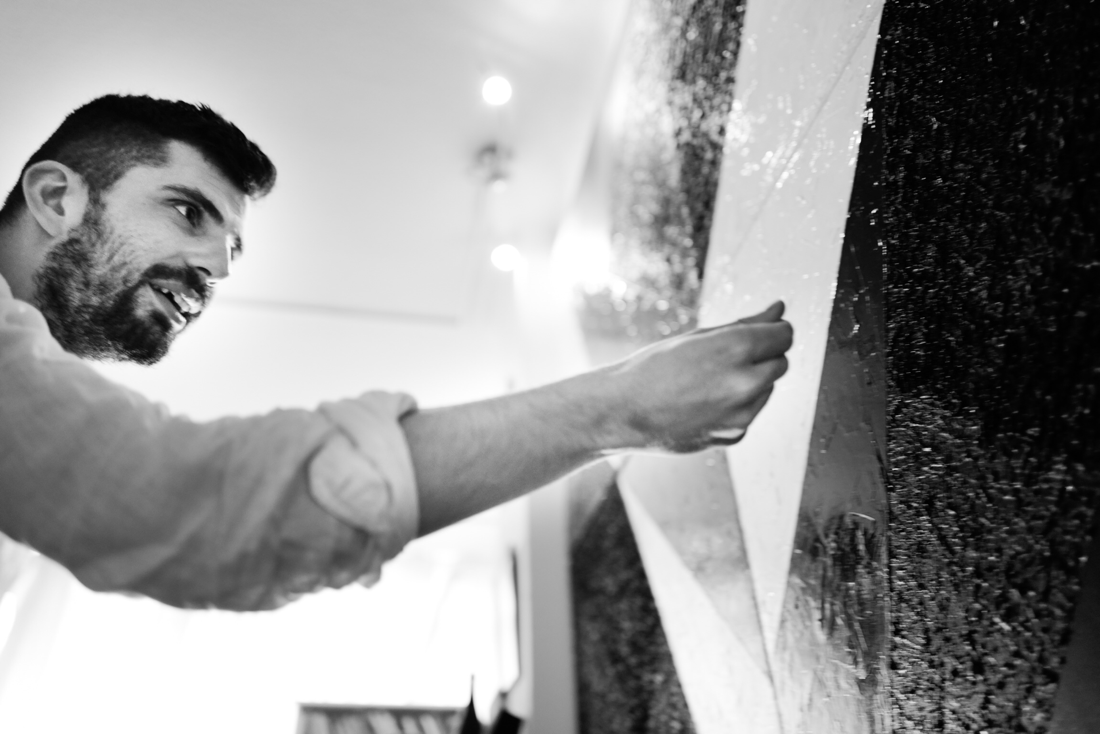
​My father and I have collaborated for many years. First in graphic design projects and photography. A big project was the docugrafias in 2010 where we recreated paintings that were sold or lost as digital serigrafic prints.

In 2016 I moved back from London to Hamburg to spend more time with Almir and we started to paint together. Initially I assisted him, later we developed works together. We developed many ideas and experimented with techniques but Helix was the last and climatic work of this collaboration. We used mavignier techniques from his monochrome periods, his structure paintings (momentos de luz) and a lacquer technique that I developed to create a 16 piece work. The subject was a helix, a moving structure through space. The painting is to be read from right where we have the darker colours to left where the colours become bright. Helix is representing the constant movement of life and development through time. Day and night, birth and death etc in interaction creating and mixing new moments and colours on their way.

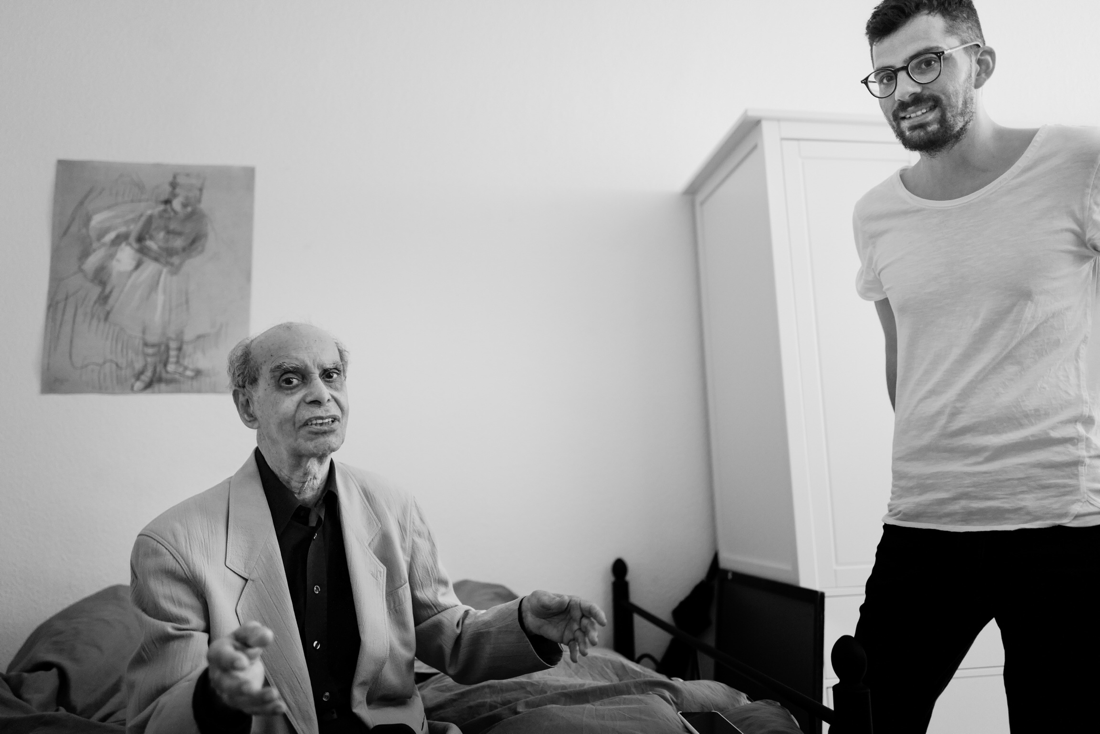
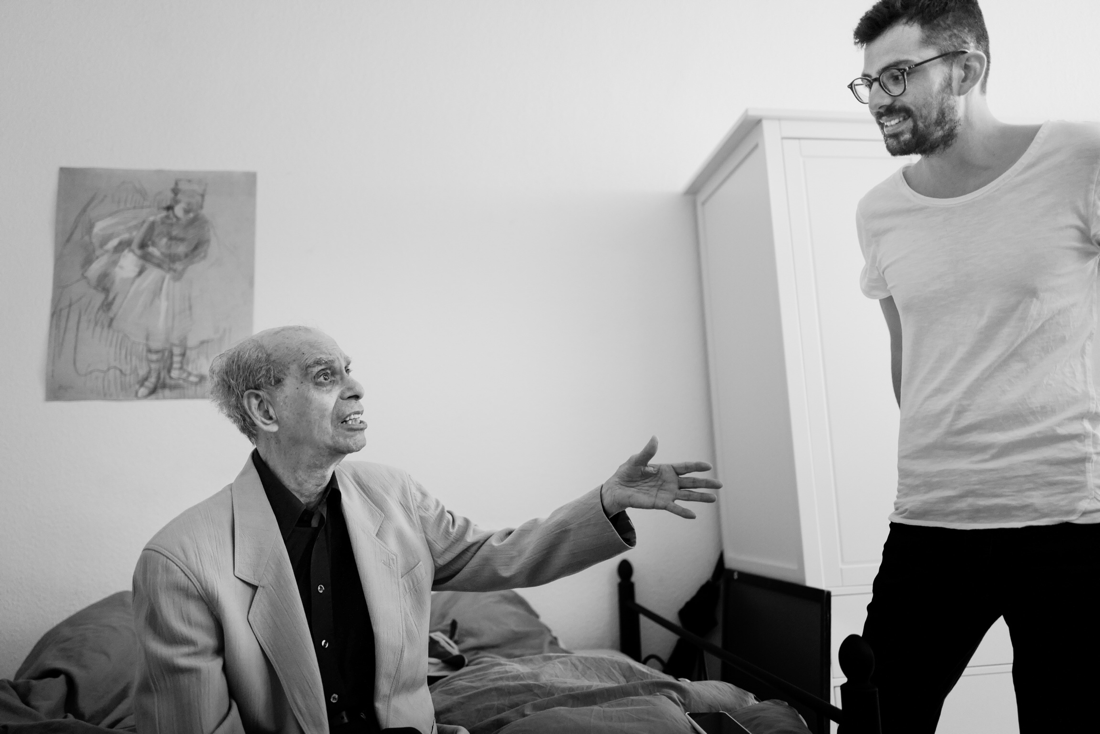
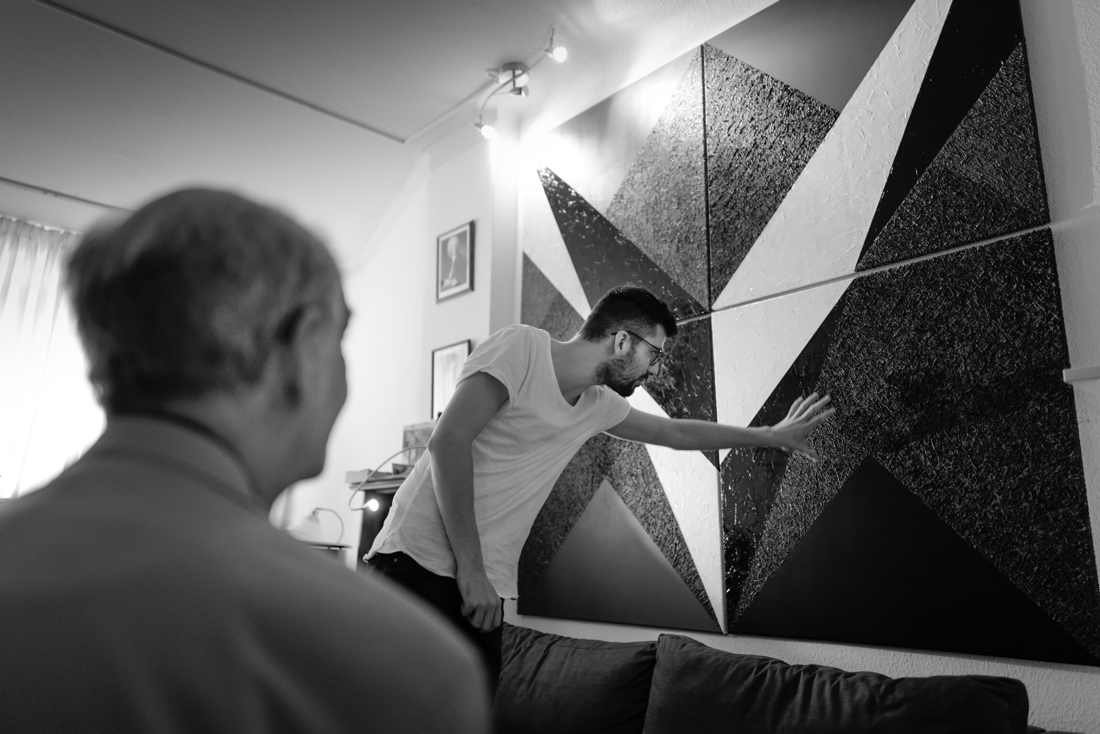
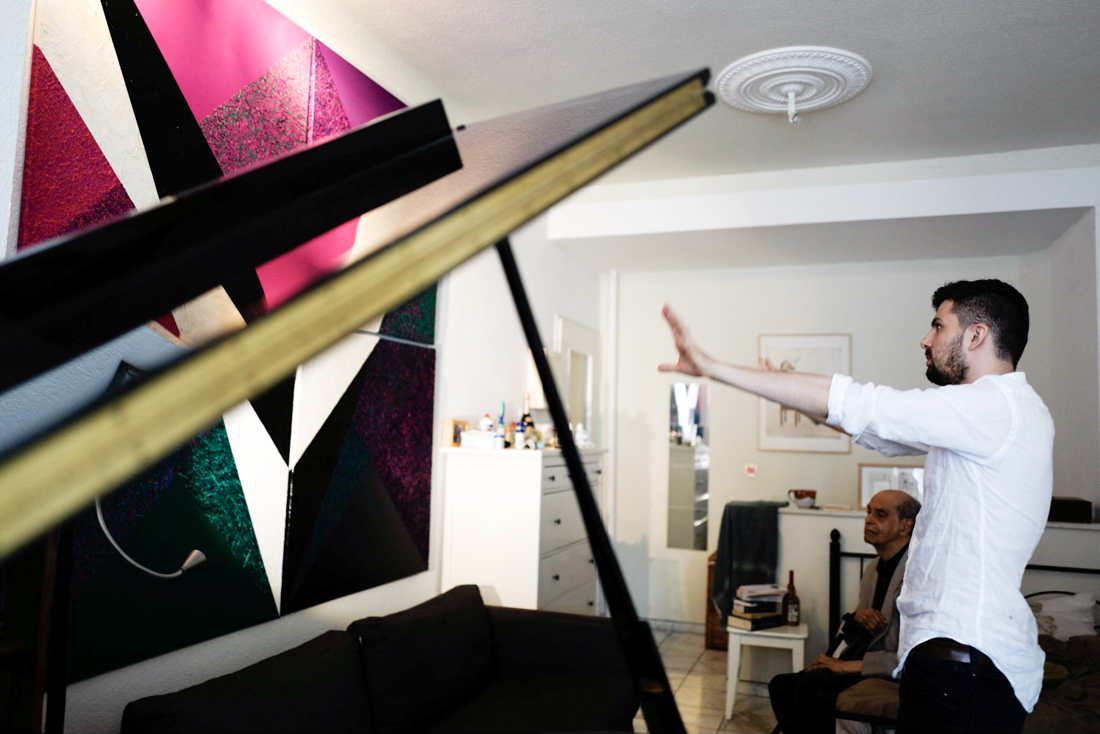
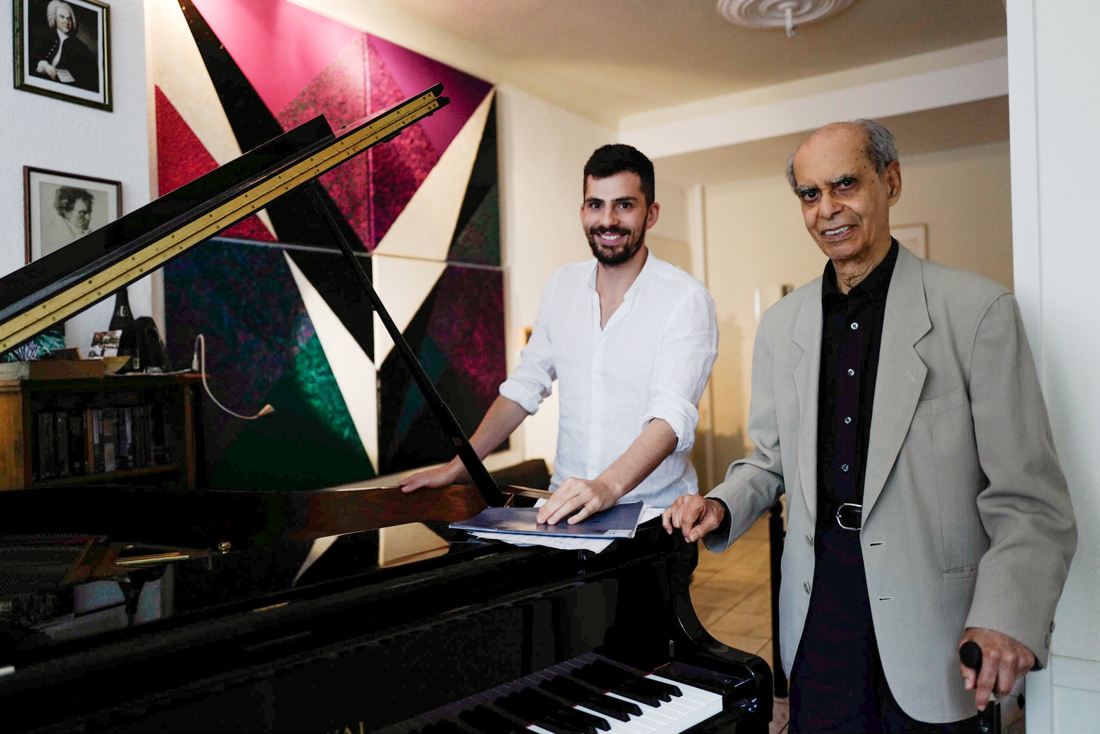
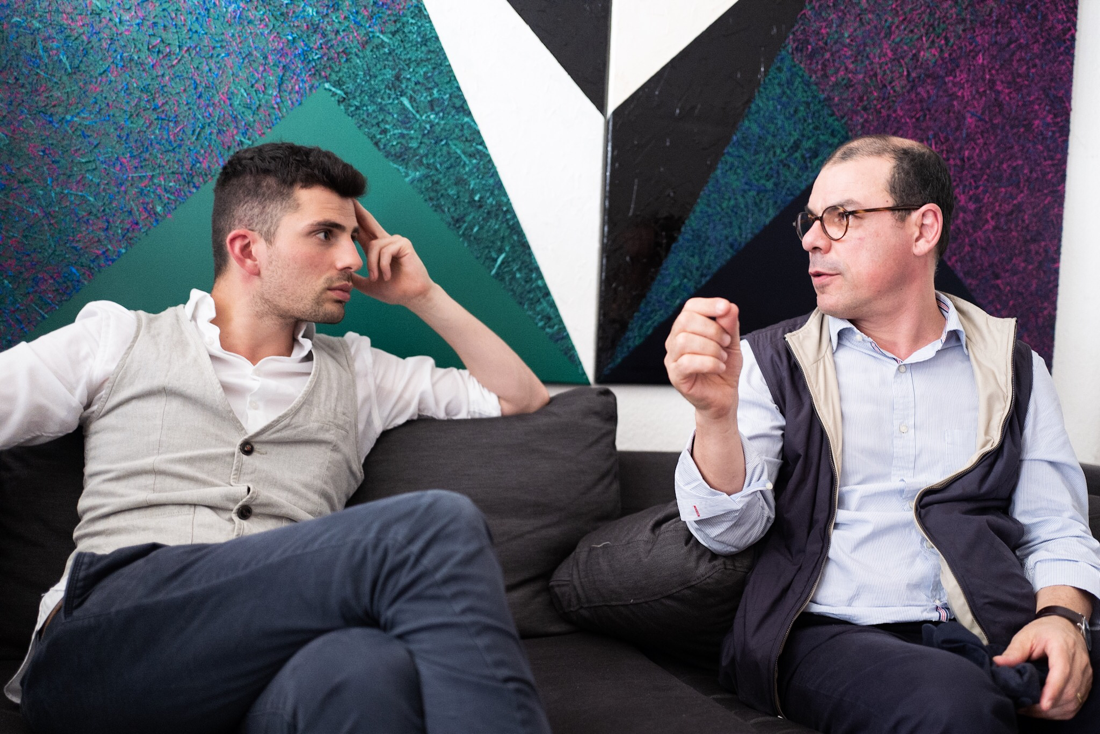
From the beginning it was my idea that the painting would become a composition and when the paintings where completed I introduced the composer Hector Docx to my father. (You can see the photos below). On the first day of the meeting it was beautiful to see the 92 year old painter engaging with the young composer in his late 20ies. My father was so agile and full of ideas that he suddenly appeared also to be in his 20ies and I got a glimpse of how he was as a young man.By the end of the conversation he understood the concept of the composition and gave Hector complete freedom to create his art for our painted project.

The composition was a difficult project. We could fit 4 paintings at one time in Hectors Room constantly rotating through the series. At various moments Flavio and Ulisses Cohn came to Hamburg visiting the rehearsals of the musicians and gave their feed back. It took a year to finish the composition but then another year to refine before it was premiered in the composers final examen at University of Music HFTM, Hamburg. One of the composer professors told Hector that it was not a composition, it was a "Werk".

Sadly my father never experienced the finished composition. But he had his own delight when I hung one of the white Helix paintings in his hospital room. This made Helix a very special project and memory for him and myself.


The 16 Helix paintings are also the last paintings signed by Almir Mavignier.
Composition for 16 paintings
Meu pai e eu colaboramos há muitos anos. Primeiro em projetos de design gráfico e fotografia. Um grande projeto foram as docugrafias de 2010 onde recriamos pinturas que foram vendidas ou perdidas como impressões serigráficas digitais.

Em 2016 voltei de Londres para Hamburgo para passar mais tempo com Almir e começamos a pintar juntos. Inicialmente eu o auxiliei, depois desenvolvemos trabalhos juntos. Desenvolvemos muitas ideias e experimentamos técnicas, mas Helix foi o último e climático trabalho desta colaboração. Utilizamos técnicas mavignier de seus períodos monocromáticos, suas pinturas de estrutura (momentos de luz) e uma técnica de laca que desenvolvi para criar esta obra de 16 quadros. O assunto era uma hélice, uma estrutura em movimento através do espaço. A pintura deve ser lida da direita, onde temos as cores mais escuras, para a esquerda, onde as cores ficam brilhantes. Helix representa o movimento constante da vida e do desenvolvimento ao longo do tempo. Dia e noite, nascimento e morte etc em interação criando e misturando novos momentos e vibrações de cores em seu caminho.

Desde o início foi minha ideia que a pintura virasse uma composição musical e quando as pinturas foram concluídas apresentei o compositor Hector Docx ao meu pai. (fotos abaixo). Foi surpreendente ver meu pai de 92 anos interagindo com o jovem compositor de 28 anos. Durante a conversa, meu pai se transformou novamente em um jovem artista e trocou ideias com Hektor e lhe explicou as ideias para a composição. Ao final da conversa ele deu ao Hector liberdade para criar sua arte para nosso projeto pintado.

A composição foi um projeto difícil. Só o oderíamos colocar 4 pinturas ao mesmo tempo na Sala de Hector, girando constantemente ao longo da série. Em vários momentos Flavio Cohn e mais tarde também Ulisses Cohn vieram a Hamburgo visitando os ensaios dos músicos e deram seu feedback. Demorou um ano para terminar a composição, e mais um ano para aperfeiçoá-la antes de ser estreada no exame final de compositor na Universidade de Música HFTM, em Hamburgo. Um dos professores compositores disse a Heitor que não era uma composição, era uma “Werk” ('obra de arte musical').

Infelizmente, meu pai nunca experimentou a composição finalizada. Mas ele ficou encantado quando pendurei uma das pinturas brancas da Hélix em seu quarto de hospital.
Isso fez do Helix um projeto e uma memória muito especial para ele e para mim.

As 16 pinturas Helix são as últimas pinturas assinadas por Almir Mavignier.

Composer Hector Docx about Helix

TRANSCRIPT Hector Docx about helix
If you look at the piece of art, if you look at the Helix paintings, you have the black and white which goes through this picture. And this is something, a separate dimension for me in this picture. And the black and white moves through and it gives the picture its kind of tempo.

​And the concept I developed around this black and white figure was a dance which, between the piano, the cello and the clarinet, which consisted of a series of programmed gestures, programmed movements and programmed sounds which were introduced to the public. And where we, as a listener, we experience a set structure or a set cell of music which moves constantly through the piece. But at times, we see a gesture without the sound.

So we learn throughout the piece how to associate gestures and sounds and how to disassociate them from one another. I mean, I would say I've been working on this concept for, on this project for about three years now, and roughly in the middle, more or less, this idea came to me. And at the beginning it was very hard because I couldn't work out how to overcome this problem of seeing everything at once in visual art and not being able to do that in music.

And I didn't want to just create a one-for-one description of the painting that was less interesting to me. You know, here's purple, here's green, because that's, words can do that well. I wanted to see what music can bring to this painting, what it can, you know, elevate, which maybe the viewer of the painting doesn't see without the music.

So the music works as a symbiotic, kind of, has a symbiotic relationship to the painting. Not only that, but the music and the painting themselves are in some way like a helix. So at points they cross where it's very clear to see, ah, okay, this is this colour, ah, this is this texture, and at other times they diverge.

And this was important to me. And I discovered this around about the middle of the project, and for me this was a moment where I had a breakthrough because this then gave me the form for the overall piece. And the form for the overall piece has, very much like the painting, it has this black and white dance gestures at its centre.

And the idea I then developed was to take this line which goes through the piece, and then to see what happens to the colours and the textures around this black and white in the music, around this dance of gestures, to see and how to transform those as the piece develops. And we're about to listen to the piece, but just before there are some fundamental aspects of the painting which were important to me. So the black and white we've talked about.

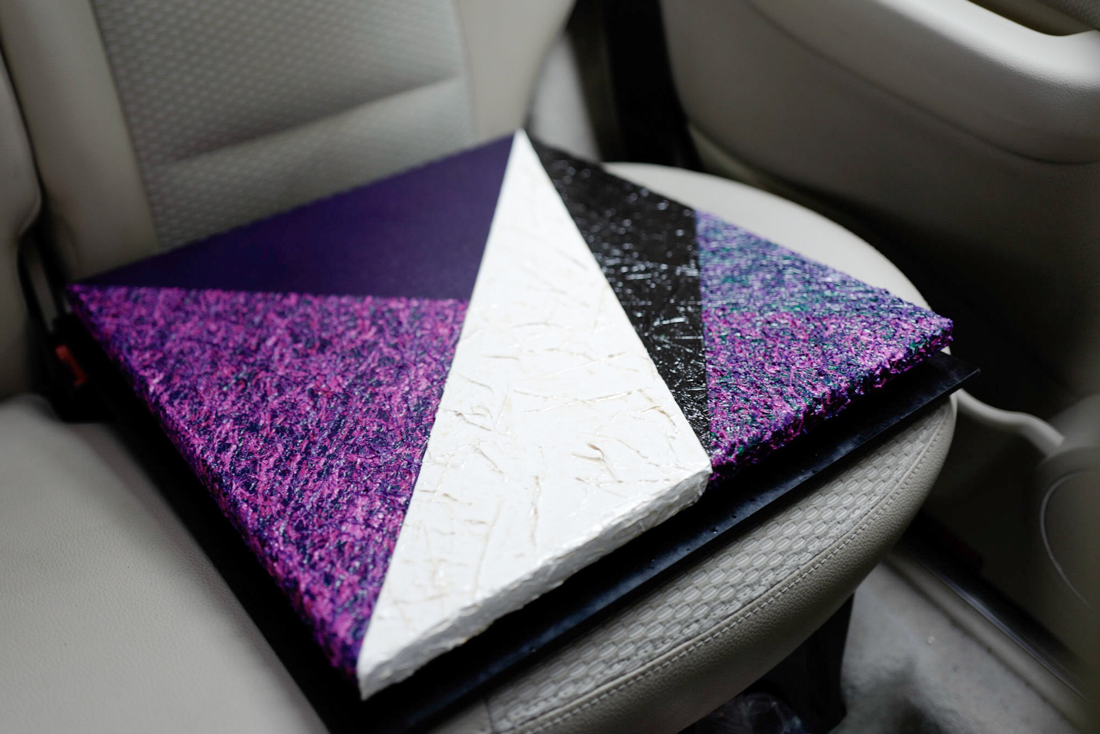
The second aspect is texture, which is obviously in this picture very important. You can see that within one panel we have so many different textures. We have the rough texture here, we have the smooth black and the kind of off-white colour, but it's also not totally smooth, but smoother than the very rough.

And then we have the very matte kind of triangle of colour. So texture plays a big part in this piece as well. And the third aspect or dimension of the painting, which I also wanted to bring in, was the interesting, for me as a composer working in the medium of music, the interesting aspect of speed, tempo.

Because one thing I found unique about Helix, about this painting, is that if you look at it for a long time, obviously first you just see everything and the information and the colours and you notice it goes from dark to bright and etc. But if you look at it for a long time, one thing which happened to me was that the speed with which the black and white moved through the painting changed. At the beginning it was kind of slower due to the fact that the colours around it were darker and the textures seemed rougher and it was kind of based in a, grounded in a kind of slower movement.

But towards the end it suddenly becomes much lighter, much brighter, the colours around it. And as such also the black and white began to speed up for me. I had the impression that it really had this tempo dynamic from moving slowly and then speeding up and going into nothing.

I mean what's unusual is of course, unusual for people in the West, the idea of looking at something from right to left. Because we read and we do everything from left to right. But I wouldn't say that for me it made a compositional big difference.

Although there is something different about the quality of sound in a high register. And just thinking about it now, beginning with this, there is something more organic let's say. I don't know, yeah, more organic.

Beginning with deeper sounds which have a large overtone series where you know they vibrate at a different frequency. They're more, let's say, more comfortable to our ears. And moving towards a place of esoteric, lighter, very high sounds.

Then beginning at this very strange point and bringing it down. So actually in retrospect it did give it a more organic kind of narrative arc I think. We will be listening to the music and deliberately there'll be moments where the music takes over.

Where it's not now, oh I get what's happening in the picture. But rather if we were to look at the picture in that moment and not listen to the music, we might see something in the picture that we didn't initially see. So it's this idea again of the symbiotic relationship.

That sometimes the music gives something to the picture. So it's not always a case of the music follows the picture. Sometimes the music gives an impulse which changes our perception of the picture.

Interestingly also while we were working on this project we had this moment where as I began composing we realised that something was actually missing in the painting which was there as an idea. I think you had this idea but it wasn't visually represented in the painting at this moment. And that was this idea that the black and white which moves through it and which we talked about is somehow always been there.

At this moment we just see a section of a narrative which is going eternally as it were. And this black and white going on after the painting ends and being there before the painting begins was something really interesting. And also for me I had intuitively been trying to find a way to start the music without starting with a sound but coming out of nothing.

And I wanted the piece to end by going into nothing. And so we came up with this really interesting idea that we created in total four new panels. Two for the beginning two for the end.

Which the ones at the beginning they're just black but they have the patterns still. So there's no colour but there's the pattern of the texture and the helix. Slightly disfigured and the ones at the end are the same but in white.

And what this allowed was for the narrative that I had perceived to come out of nothing gradually would move into colour and then to end in nothing. Almost like a circle. Like some kind of eternal circle of movement.

And this was really an important step as well in the development of the project. And the other thing is the way the colours blend into each other which was vital for me because as you can see on the painting the colour scheme although it's very set and very rigid it blends. Always it's blending into each other.

And one colour blends into the next and then it blends out while the next colour from blends in from the next panel. So we have a constant constant kind of mixing of these colours. At the same time we have these unusual matte areas of colour which don't mix with anything.

They just stand alone. So this was also compositionally interesting. Blending colours because colour is of course also something in music which is very we hear music also a lot of the time in a kind of way we perceive colour and and this idea of what's the difference between colours that blend and colours that don't blend they're rigid they stay there.

So these two aspects were also important while composing. If you look at the orange kind of through the resonance they share or they give their particles to the red. Yeah yeah that's what I mean they blend.

So they blend into one another. So yeah but the way you said it is nicer they give their particles over to the red but importantly you see this triangle has the colour of this kind of off turquoise colour whereas this one doesn't it has the blue but similar to both are the red and the orange. Red and orange red and orange.

So we have we have similarities we have stuff which connects these two panels but we also have the nuance of this one different colour which then connects this panel to this panel this panel to that panel and separates these two panels. So it's very complex colour structure. Did you make some kind of sketches or drawings? Yes I did.

I made in fact I made a musical colour chart which I think you can hear and it's vital to the piece. The piece doesn't work without it. Acoustically as a listener I think the effect is subtle maybe what you notice is a gradual brightening of background colour.

I don't think as a listener you hear the exact chords but I'm going to point them out now in this piece as we listen to it. But I made a colour chart which was I created chords for each of the colours which I then used as a structure and then when I wanted to blend colours I blended let's say blue and green. I blended the chords I had or if I didn't want to blend them then I didn't.

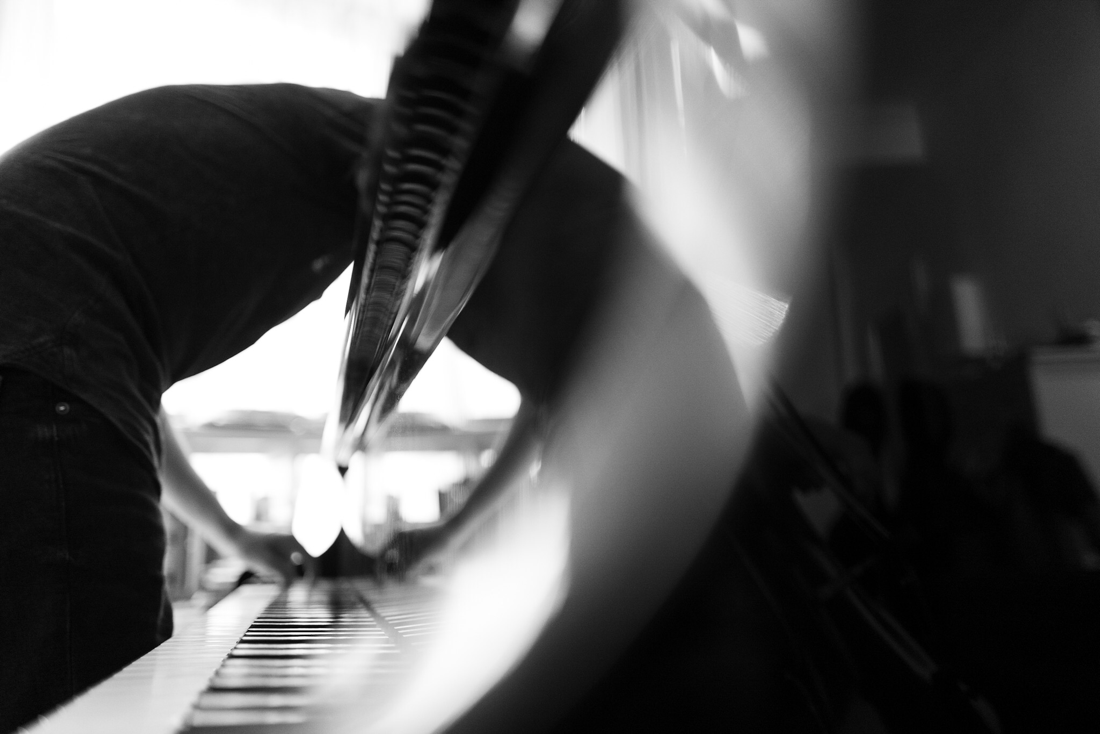
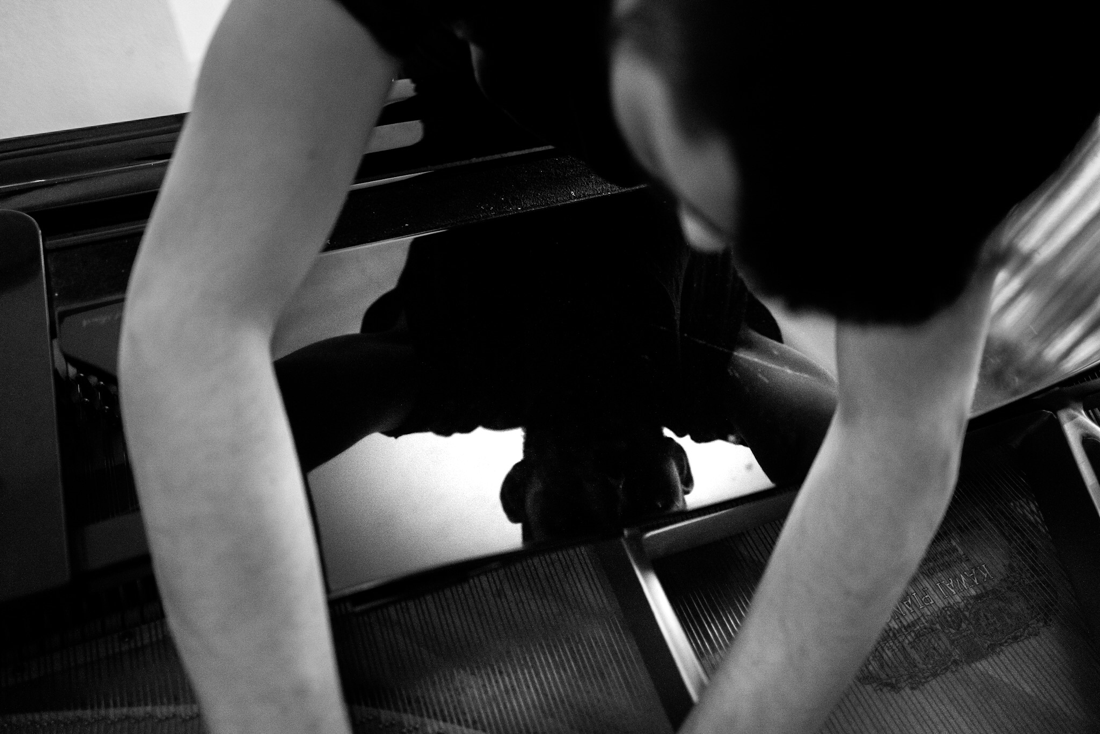
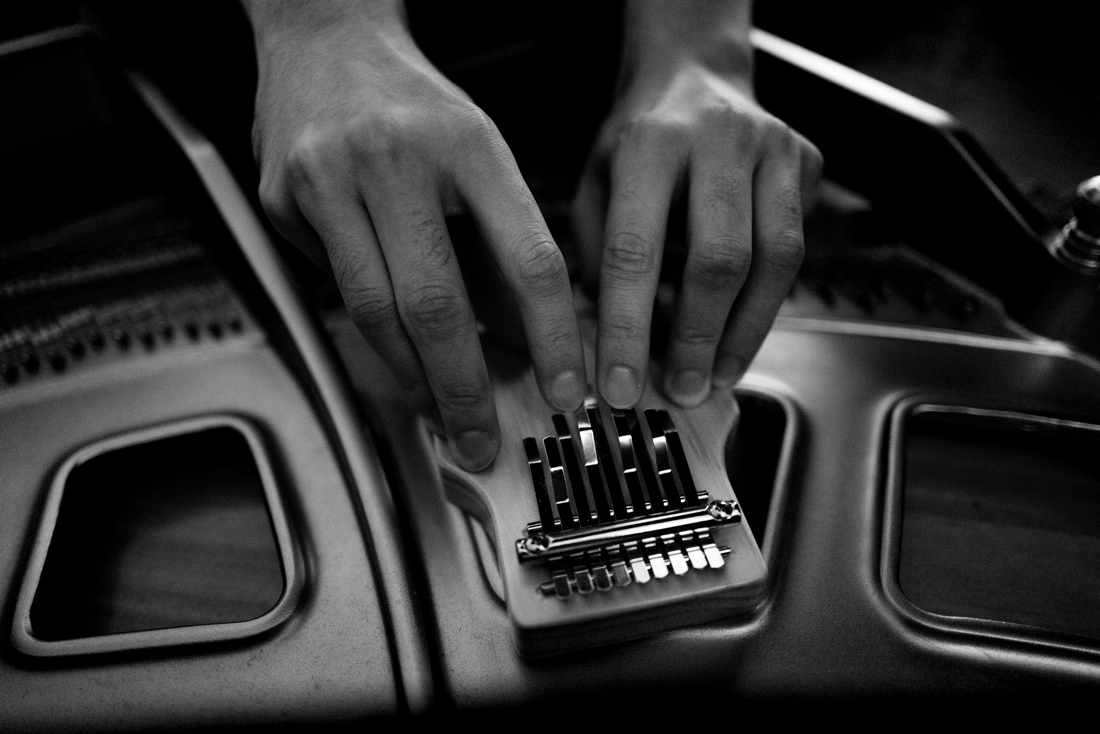
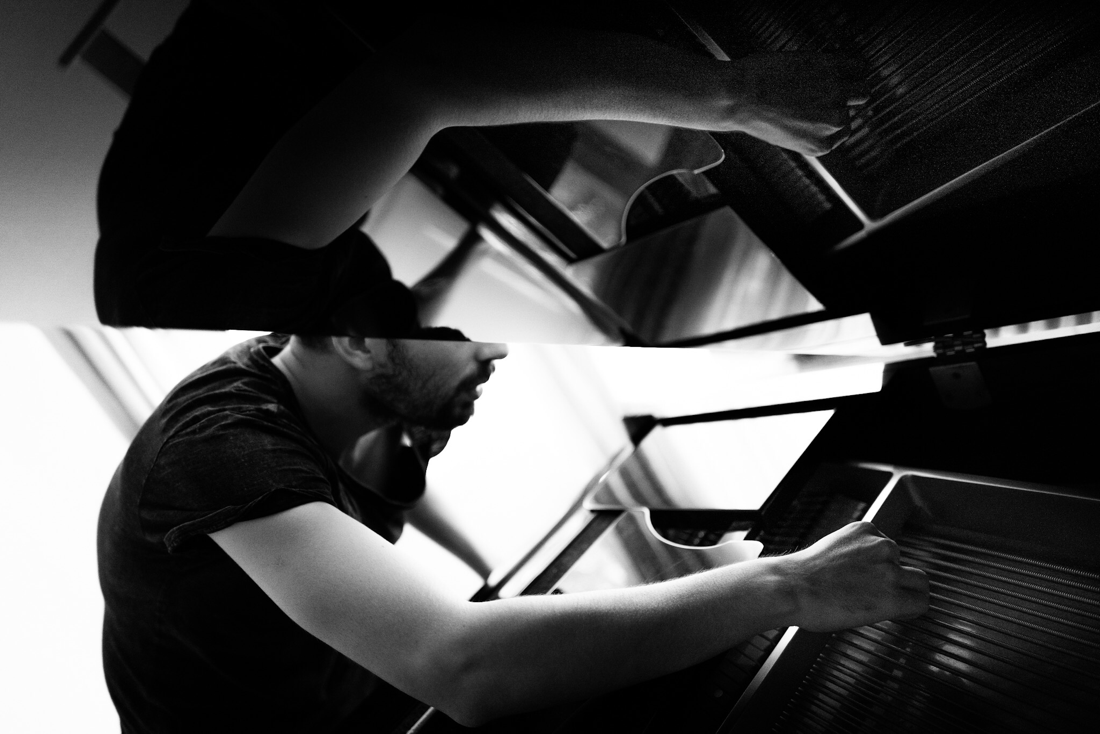
I just had them played but this chord structure was very very important and this chord structure led me to use a prepared piano which is the piano that you hear in the recording sounds unusual because I've prepared it I've changed the strings inside the piano to create unusual sounds unusual overtones which really creates an unusual colour which is perfect for this piece. So that's enough introduction.
TRANSCRIÇÃO HECTOR DOCX SOBRE HELIX​
Se você olhar para a obra de arte, se você olhar para a imagem de Helix, você tem o preto e o branco que atravessa a imagem. E isso é algo, uma dimensão separada para mim nesta imagem. E o preto e o branco se movem e dão à imagem seu próprio ritmo.

E o conceito que desenvolvi em torno dessa figura em preto e branco foi uma dança que, entre o piano, o violoncelo e o clarinete, consistia em uma série de gestos programados, movimentos programados e sons programados que eram apresentados ao público. E onde nós, como ouvintes, experimentamos uma estrutura definida ou uma célula definida de música que se move constantemente pela peça. Mas, às vezes, vemos um gesto sem o som.

Então, aprendemos ao longo da peça como associar gestos e sons e como dissociá-los uns dos outros. Quer dizer, eu diria que venho trabalhando neste conceito, neste projeto, há cerca de três anos, e mais ou menos no meio, essa ideia me surgiu. E no começo foi muito difícil porque eu não conseguia descobrir como superar esse problema de ver tudo de uma vez na arte visual e não conseguir fazer isso na música.

E eu não queria criar apenas uma descrição individual da pintura que fosse menos interessante para mim. Sabe, aqui está o roxo, aqui está o verde, porque as palavras fazem isso muito bem. Eu queria ver o que a música pode trazer para esta pintura, o que ela pode, sabe, elevar, algo que talvez o observador da pintura não veja sem a música.

Então a música funciona como uma espécie de simbiose, tem uma relação simbiótica com a pintura. Não só isso, mas a música e a pintura em si são, de certa forma, como uma hélice. Então, em pontos elas se cruzam onde é muito claro ver, ah, ok, esta é esta cor, ah, esta é esta textura, e em outros momentos elas divergem.

E isso era importante para mim. E descobri isso mais ou menos na metade do projeto, e para mim foi um momento de grande avanço, porque isso me deu a forma para a peça como um todo. E a forma para a peça como um todo, assim como a pintura, tem esses gestos de dança em preto e branco no centro.

E a ideia que desenvolvi então foi pegar essa linha que atravessa a peça e ver o que acontece com as cores e as texturas em torno desse preto e branco na música, em torno dessa dança de gestos, para ver e como transformá-las à medida que a peça se desenvolve. E estamos prestes a ouvir a peça, mas logo antes, há alguns aspectos fundamentais da pintura que foram importantes para mim. Então, o preto e branco sobre o qual falamos.

O segundo aspecto é a textura, que obviamente é muito importante nesta imagem. Você pode ver que dentro de um painel temos muitas texturas diferentes. Temos a textura áspera aqui, temos o preto suave e a cor meio esbranquiçada, mas também não é totalmente suave, mas mais suave do que a muito áspera.

E então temos o triângulo de cores bem fosco. Então, a textura também desempenha um papel importante nesta peça. E o terceiro aspecto ou dimensão da pintura, que eu também queria trazer, era o interessante, para mim como compositor trabalhando com música, o aspecto interessante da velocidade, do andamento.

Porque uma coisa que achei única em Helix, nesta pintura, é que se você olhar por um longo tempo, obviamente primeiro você vê tudo, as informações, as cores, e percebe que ela muda do escuro para o claro, etc. Mas se você olhar por um longo tempo, uma coisa que aconteceu comigo foi que a velocidade com que o preto e o branco se moviam pela pintura mudou. No início, era um pouco mais lento devido ao fato de que as cores ao redor eram mais escuras e as texturas pareciam mais ásperas, e era meio que baseado em um movimento mais lento.

Mas, no final, de repente, as cores ao redor se tornam muito mais claras, muito mais brilhantes. E, assim, o preto e o branco também começaram a acelerar para mim. Tive a impressão de que realmente tinha essa dinâmica de andamento, movendo-se lentamente e depois acelerando e desaparecendo.

O que é incomum, claro, para as pessoas no Ocidente, é a ideia de olhar algo da direita para a esquerda. Porque lemos e fazemos tudo da esquerda para a direita. Mas eu não diria que, para mim, fez uma grande diferença na composição.

Embora haja algo diferente na qualidade do som em um registro agudo. E pensando nisso agora, começando com isso, há algo mais orgânico, digamos assim. Não sei, sim, mais orgânico.

Começando com sons mais profundos, que têm uma grande série de harmônicos, onde você sabe que eles vibram em uma frequência diferente. Eles são mais, digamos, mais confortáveis ​​para os nossos ouvidos. E caminhando para um lugar de sons esotéricos, mais leves e muito agudos.

​Então, começando nesse ponto muito estranho e diminuindo. Então, na verdade, em retrospecto, isso deu um tipo de arco narrativo mais orgânico, eu acho. Ouvimos a música e, deliberadamente, há momentos em que a música assume o controle.

Onde não está agora, ah, eu entendo o que está acontecendo na imagem. Mas, se olhássemos para a imagem naquele momento e não ouvíssemos a música, poderíamos ver algo nela que não vimos inicialmente. Então, é essa ideia novamente da relação simbiótica.

Às vezes, a música acrescenta algo à imagem. Portanto, nem sempre a música acompanha a imagem. Às vezes, a música dá um impulso que muda nossa percepção da imagem.

Curiosamente, também enquanto trabalhávamos neste projeto, tivemos esse momento em que, quando comecei a compor, percebemos que algo estava faltando na pintura, algo que estava lá como uma ideia. Acho que você tinha essa ideia, mas ela não estava representada visualmente na pintura naquele momento. E essa era a ideia de que o preto e o branco que se move através dela, e sobre o qual falamos, de alguma forma sempre estiveram lá.

Nesse momento, vemos apenas uma parte de uma narrativa que se desenrola eternamente, por assim dizer. E esse preto e branco que continua depois que a pintura termina, e que está lá antes de ela começar, foi algo realmente interessante. E também, para mim, eu estava intuitivamente tentando encontrar uma maneira de começar a música sem começar com um som, mas partindo do nada.

E eu queria que a peça terminasse indo para o nada. E então tivemos essa ideia realmente interessante: criamos um total de quatro novos painéis. Dois para o início, dois para o final.

Os do início são apenas pretos, mas ainda têm os padrões. Portanto, não há cor, mas há o padrão da textura e da hélice. Ligeiramente desfigurados, e os do final são os mesmos, mas em branco.

E o que isso permitiu foi que a narrativa que eu havia percebido como surgindo do nada gradualmente se transformasse em cor e terminasse no nada. Quase como um círculo. Como uma espécie de círculo eterno de movimento.

E este também foi um passo muito importante no desenvolvimento do projeto. E a outra coisa é a maneira como as cores se misturam, o que foi vital para mim, porque, como você pode ver na pintura, o esquema de cores, embora muito definido e rígido, se mistura. Sempre se misturam.

E uma cor se mistura com a próxima e depois se mistura, enquanto a próxima cor se mistura com a próxima do painel. Então, temos uma mistura constante dessas cores. Ao mesmo tempo, temos essas áreas de cor foscas incomuns que não se misturam com nada.

Elas simplesmente se destacam. Então, isso também foi interessante em termos de composição. Misturar cores, porque a cor também é algo muito presente na música, que é muito... ouvimos música muitas vezes, de certa forma, percebemos as cores e essa ideia de qual é a diferença entre cores que se misturam e cores que não se misturam, elas são rígidas, permanecem lá.

Então, esses dois aspectos também foram importantes durante a composição. Se você olhar para o laranja, por meio da ressonância que eles compartilham, ou seja, eles dão suas partículas ao vermelho. Sim, sim, é isso que eu quero dizer, eles se misturam.

Então, eles se misturam. Então, sim, mas do jeito que você disse, é mais bonito, eles dão suas partículas ao vermelho. Mas, o mais importante, você vê que este triângulo tem a cor meio turquesa, enquanto este não tem, tem o azul, mas são semelhantes a ambos: o vermelho e o laranja. Vermelho e laranja, vermelho e laranja.

Então, temos semelhanças, temos coisas que conectam esses dois painéis, mas também temos a nuance dessa cor diferente que conecta este painel a este painel, este painel àquele painel e separa esses dois painéis. Portanto, é uma estrutura de cores muito complexa. Você fez algum tipo de esboço ou desenho? Sim, fiz.

Na verdade, fiz uma tabela de cores musical que acho que você pode ouvir e é vital para a peça. A peça não funciona sem ela. Acusticamente, como ouvinte, acho que o efeito é sutil. Talvez o que você perceba seja um clareamento gradual da cor de fundo.

Não acho que, como ouvinte, você ouça os acordes exatos, mas vou destacá-los agora nesta peça enquanto a ouvimos. Mas eu fiz uma tabela de cores, na qual criei acordes para cada uma das cores, que usei como estrutura. Quando quis misturar cores, misturei, digamos, azul e verde. Misturei os acordes que tinha ou, se não quisesse, não misturei.

Eu simplesmente os toquei, mas essa estrutura de acordes era muito importante e me levou a usar um piano preparado, que é o piano que você ouve na gravação, soa incomum porque eu o preparei. Troquei as cordas dentro do piano para criar sons incomuns, harmônicos incomuns, o que realmente cria uma cor incomum, perfeita para esta peça. Então, chega de introdução.

First meeting between Hector Docx and Almir Mavignier

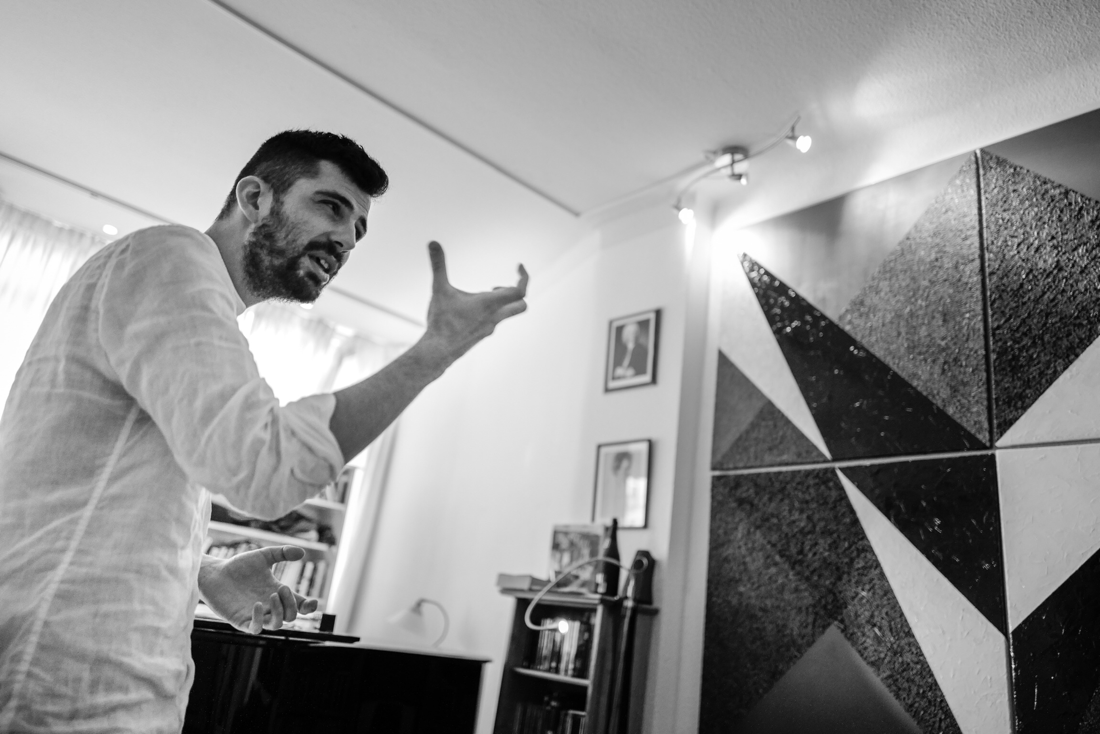
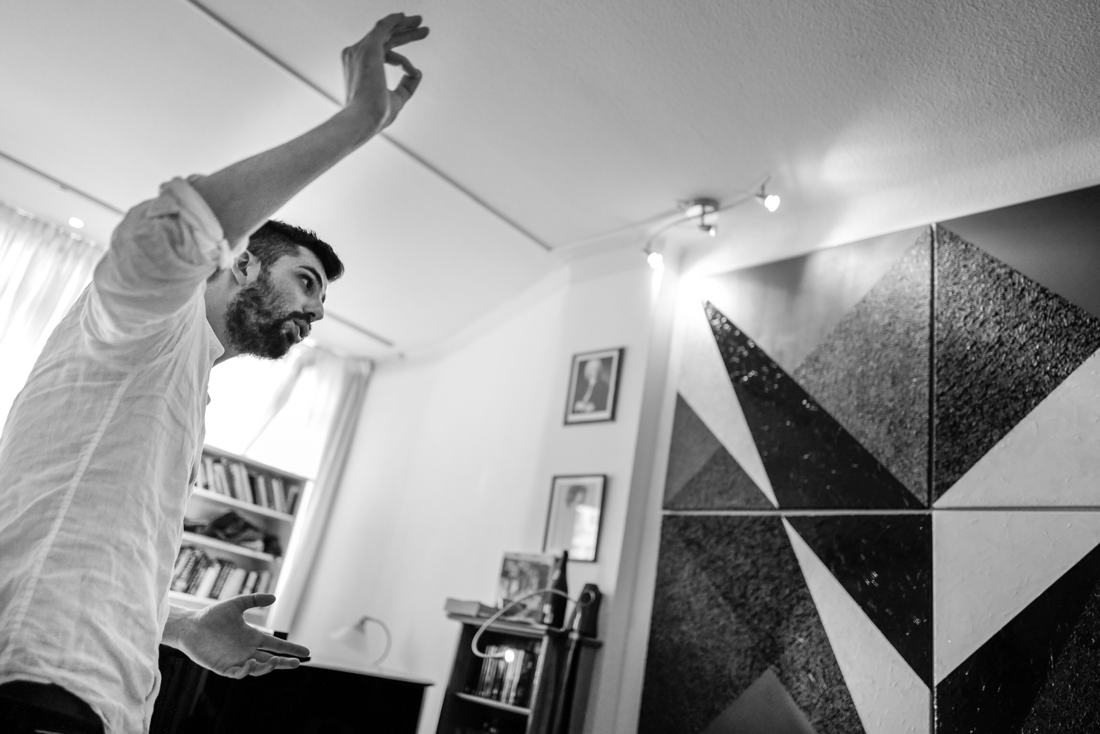
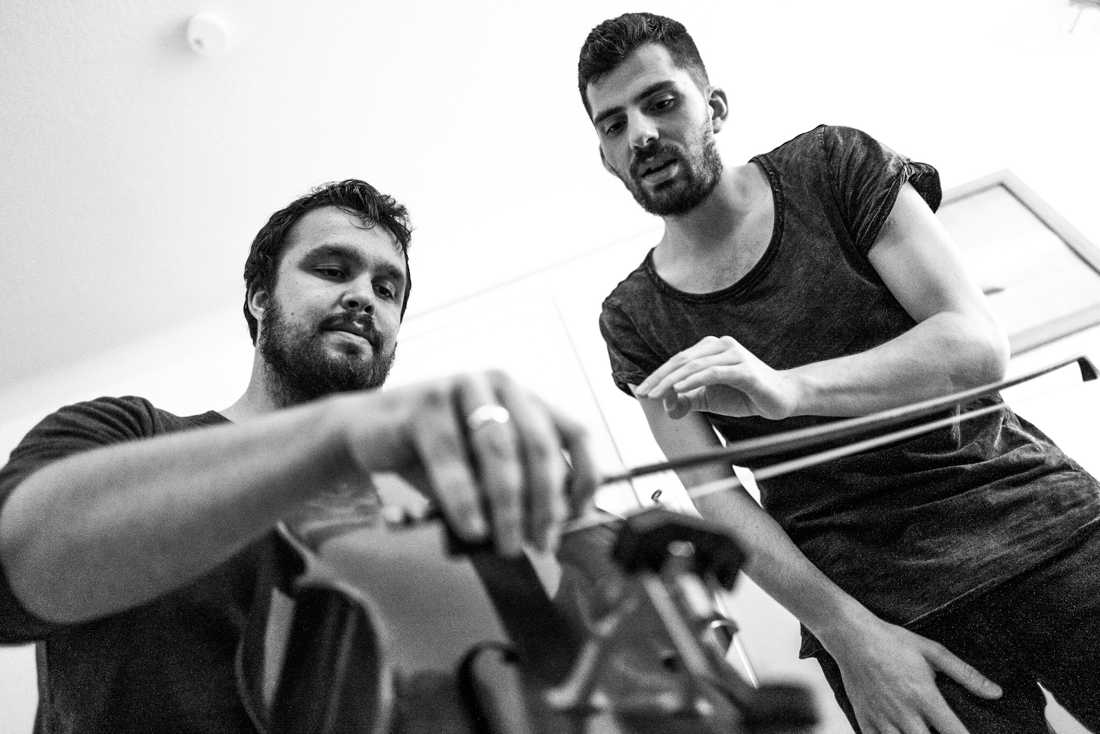
First Encounter between Almir and Hector to discuss concept and approach to the composition. Almir giving permission and full liberation to respond musically to our paintings.
Primeiro Encontro entre Almir e Hector para discussão de conceito e abordagem da composição. Almir dando permissão e liberdade total para responder musicalmente às nossas pinturas.
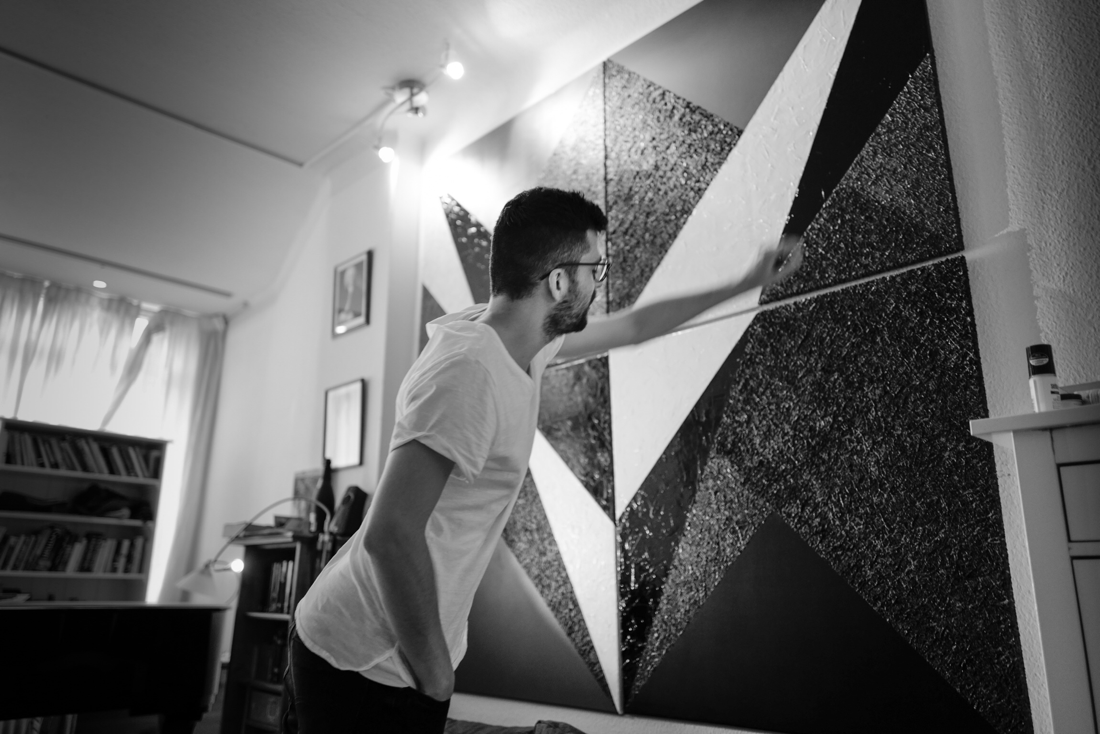
For the composition, four Helix paintings 100x100cm were hung in rotation at the composers studio.
In addition he had the complete set of smaller paintings 40x40cm to be able to reference to all colours and keep the overview.
Para a composição, quatro pinturas Helix 100x100cm foram penduradas em rotação no estúdio dos compositores.
Além disso, ele tinha o conjunto completo de pinturas menores 40x40cm para poder fazer referência a todas as cores e manter a visão geral.
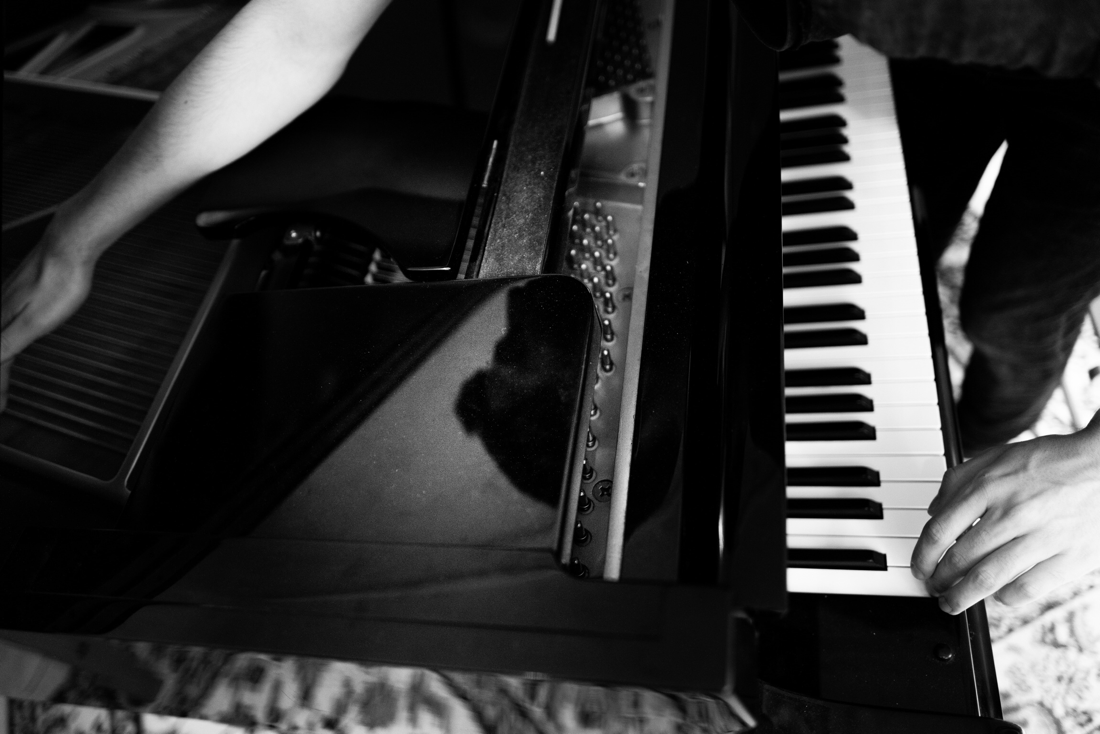
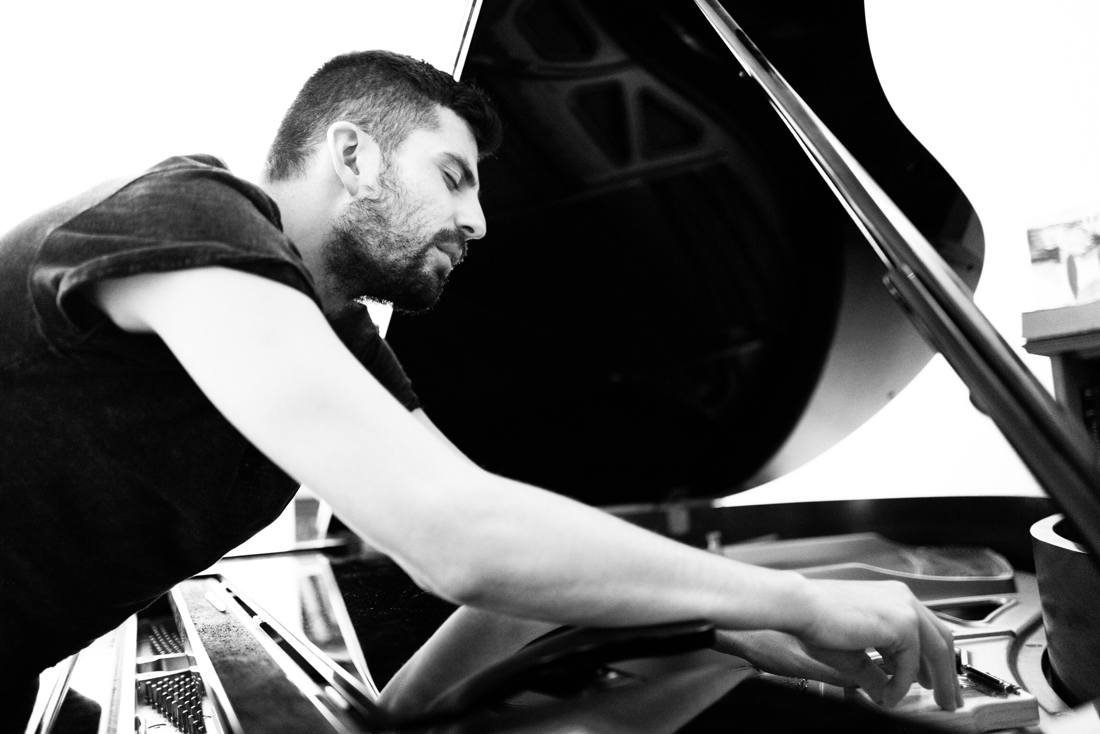
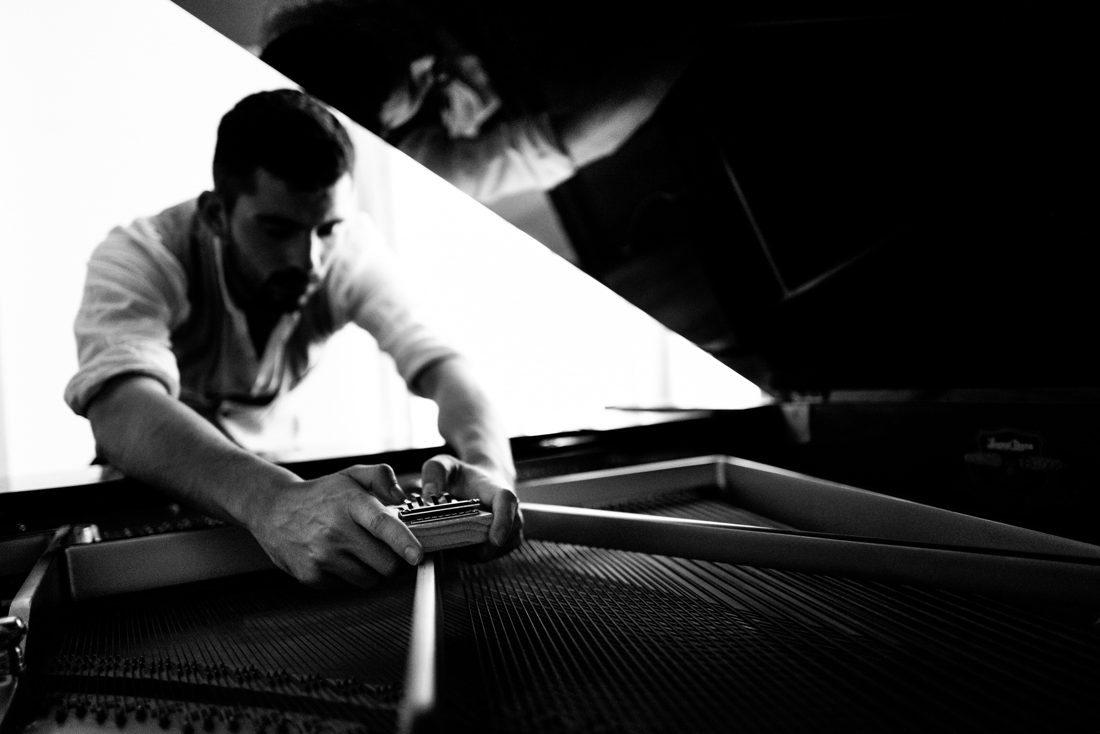
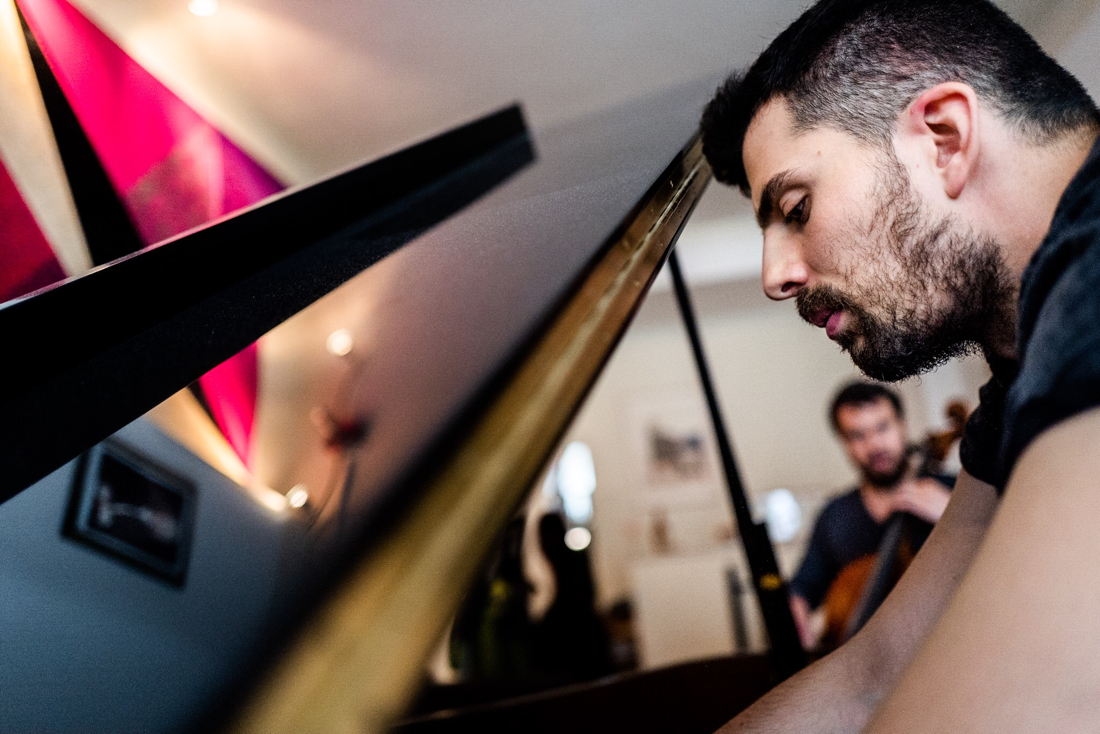
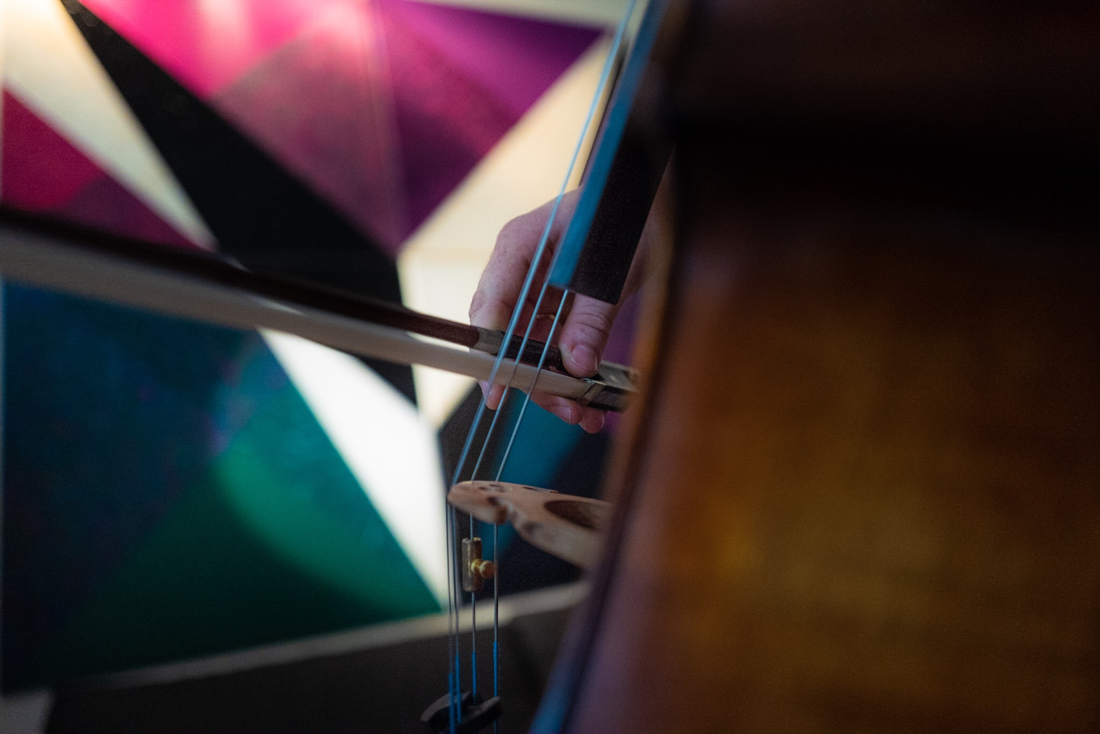
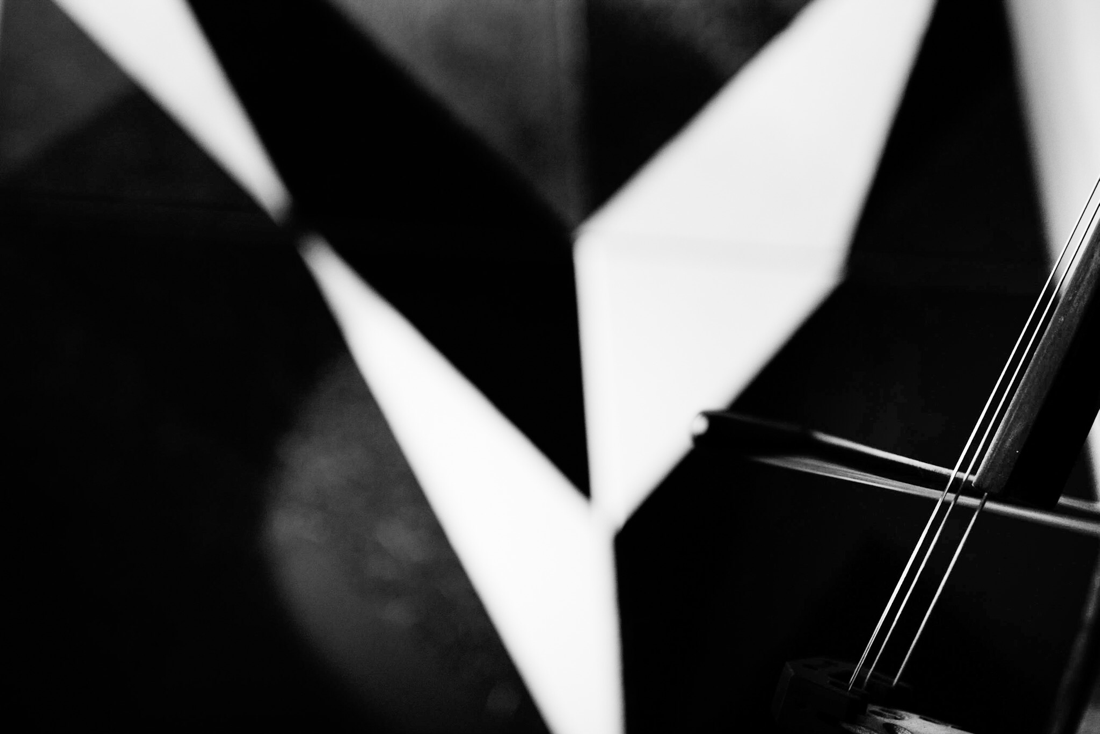
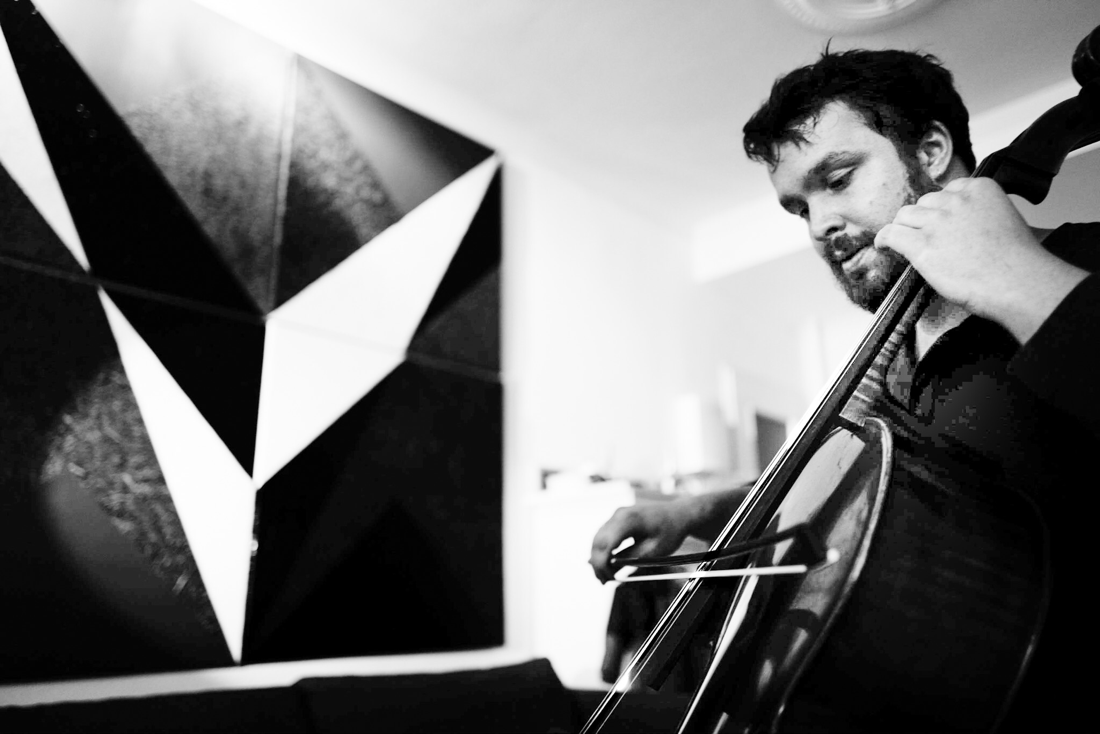
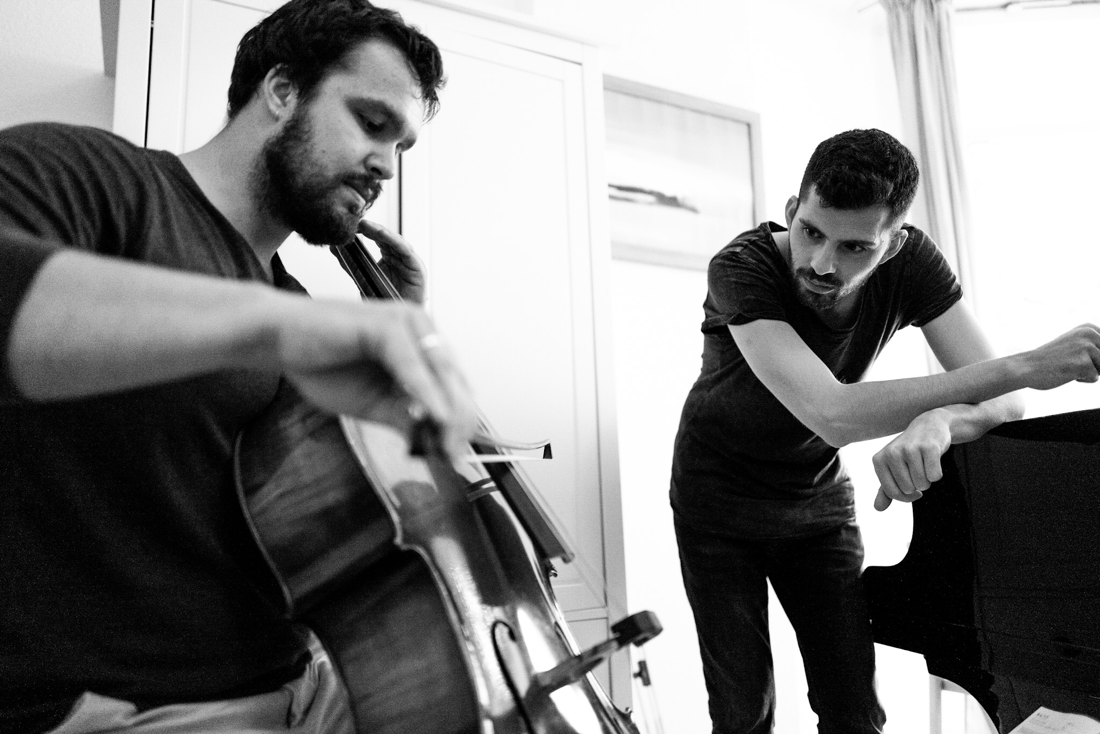
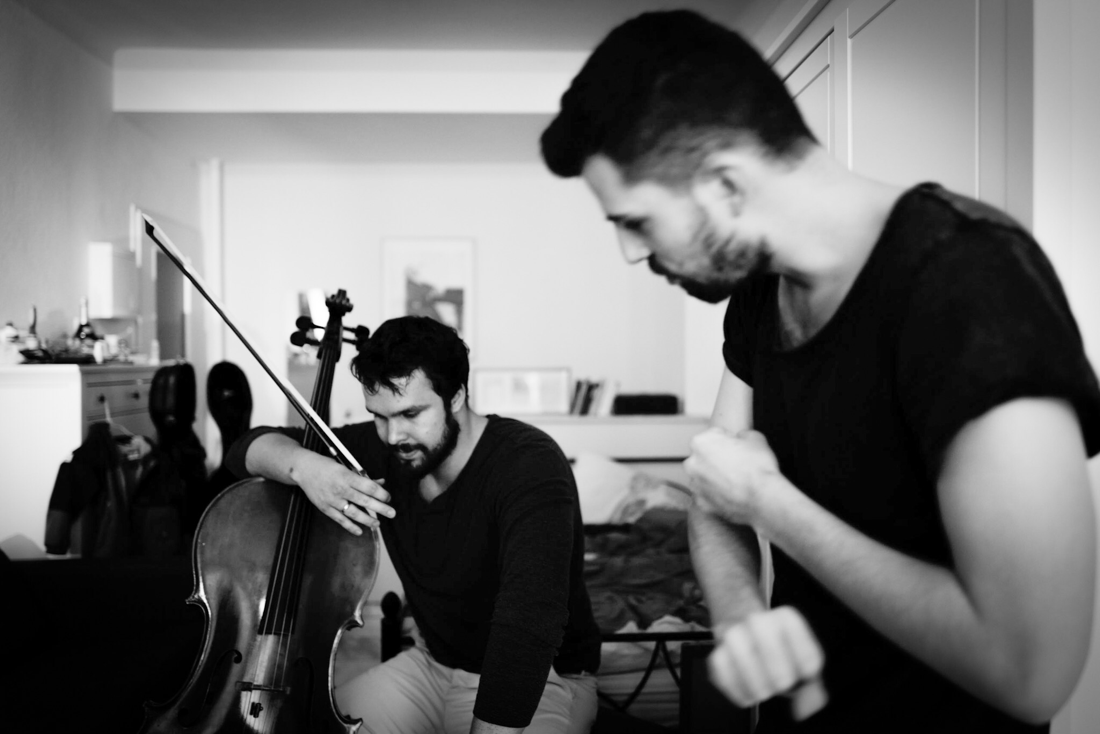
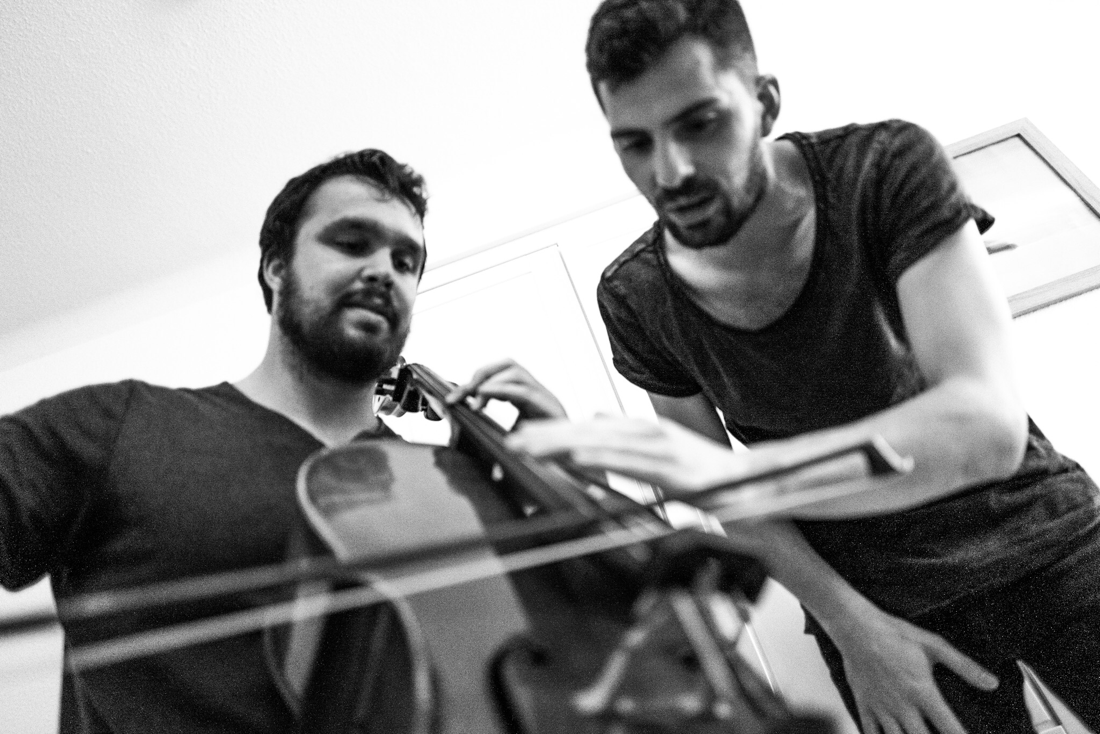
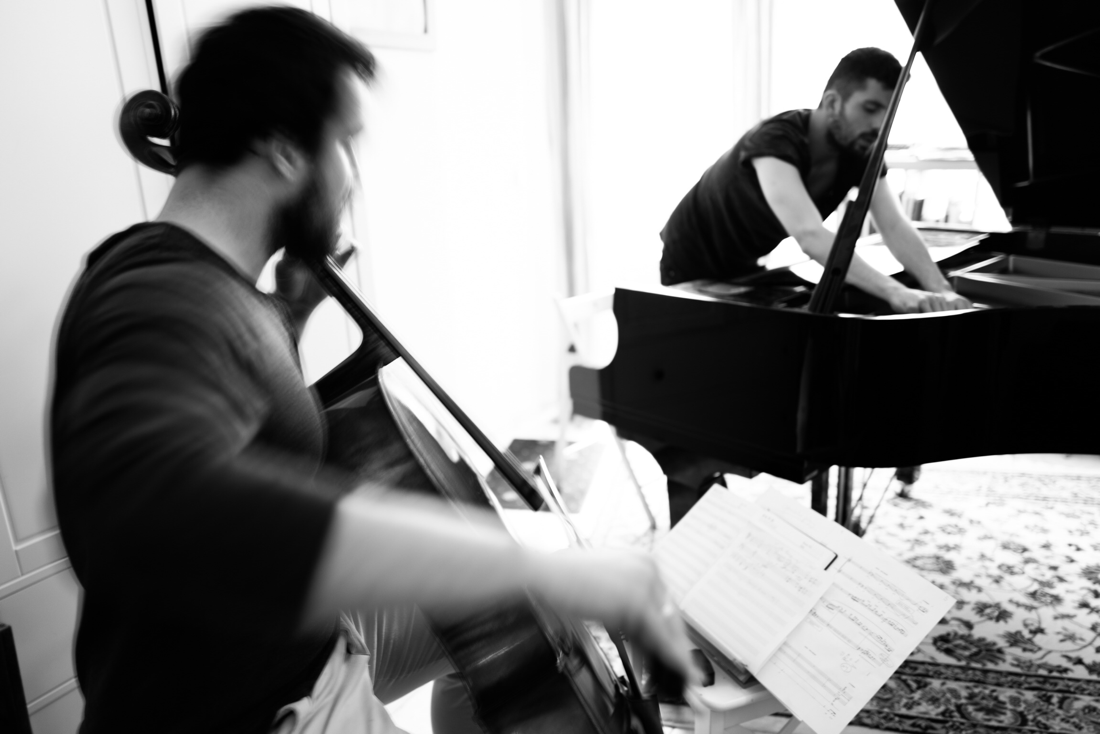
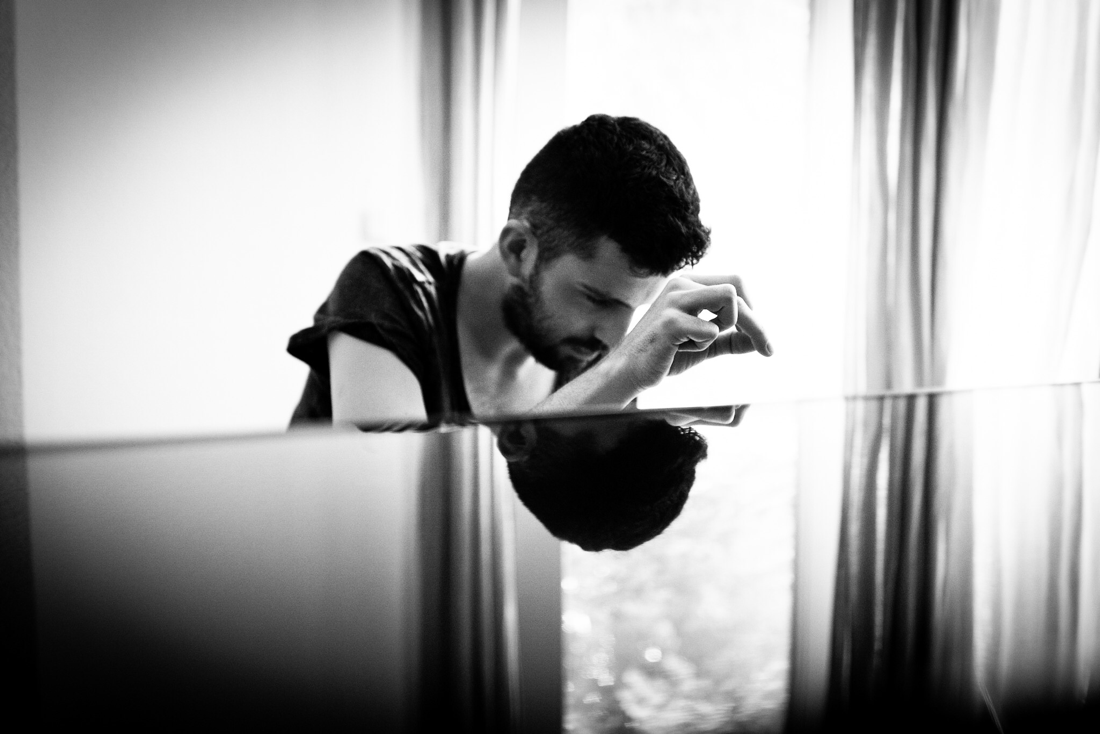
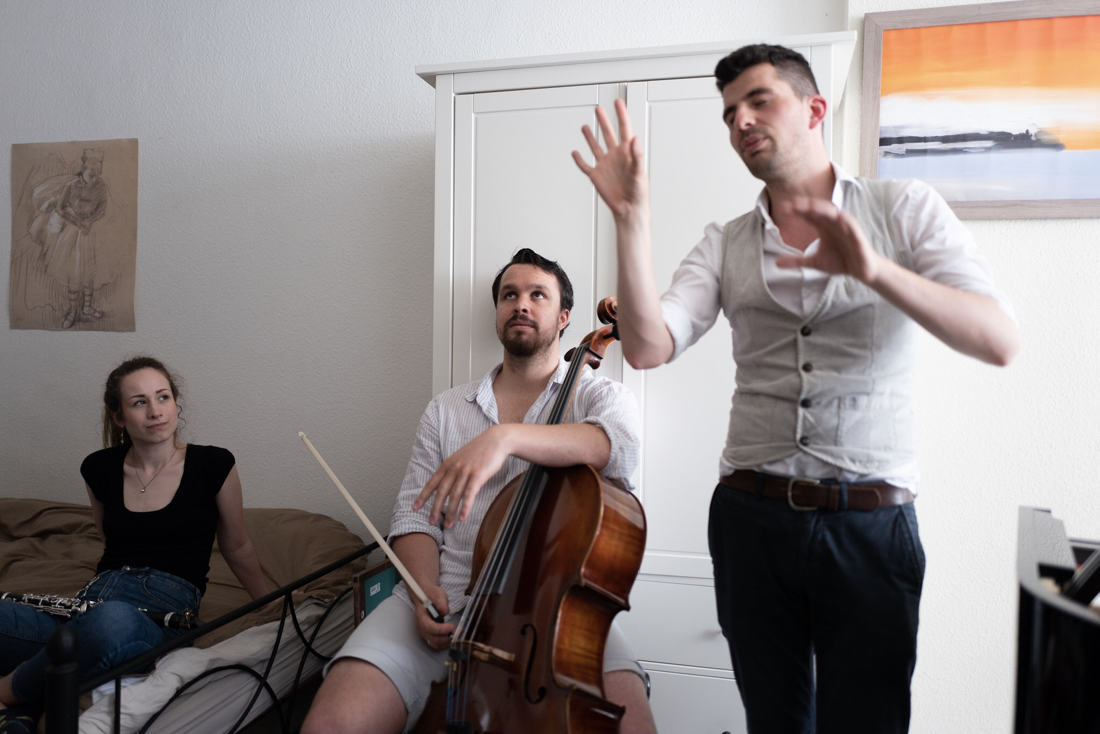
Rehearsals: Hector Docx and cellist Tristan X Köster.
Ensaios: Hector Docx e violoncelista Tristan X Köster.
Flavio Cohn from Dan Galeria visiting Hamburg during the composition process giving us valuable feed back.
Flavio Cohn da Dan Galeria visitando Hamburgo durante o processo de composição nos dando um feedback valioso.
atelier almir mavignier: delmar mavignier
​verantwortlich für diese webseite: delmar mavignier ©2025 all rights reserved
contacto americas: flavio cohn, dan galeria
são paulo, brasil
  • almir mavignier
    • vita
    • engenho de dentro
      • portugês (orig.)
        • 2 arte e cultura nos anos 1940
        • 3 almir mavignier e o ateliê de pintura de engenho de dentro
        • 5 almir mavignier: um mestre-aprendiz
        • nos bastidores da pesquisa
      • english
        • 2 arts and culture in the 1940s
        • 3 almir mavignier and the painting studio at engenho de dentro
        • 5 almir mavignier: master apprentice
        • research behind the scenes
    • hfg ulm
    • studio f
    • neue tendenzen
    • l'ultima avanguardia
    • zero
  • ouevre
    • malerei
    • plakate
    • serigrafien
    • restaurierungen
    • permutationen
    • skulpturen
    • philipp otto runge
  • exhibitions
    • barlach-haus
    • Bröhan Museum 2025
    • museo afro brasil 2010
    • dan galeria 2008
    • ​museum für angewandte kunst frankfurt 2004
    • museum für konkrete kunst ​ingolstadt 2003
    • ​ulm stadthaus 1995
    • münchen 1990
  • projects
    • 2025 - music composition permutationen 1961
    • 2025/26 centenary edition 100
    • 2018 - music composition helix